Wilderness Mara reopened on June 1, 2026, in the Mara Triangle, and one addition stands out for a specific type of guest. The camp built a dedicated photo studio, a space most Mara camps have never offered. Formerly Little Governors’ Camp, the property dropped from 17 tents to 12 suites during the rebuild. Part of that freed-up space went to the studio, alongside a new spa and gym. For guests who travel with serious camera bodies and long lenses, this changes what a Mara Triangle stay can include. Touring Insights looked at what the studio actually offers, what it costs to reach this part of the reserve, and how it compares to the handful of other Mara camps that market themselves to photographers.
What the Photo Studio Actually Offers
The studio is a separate space from the guest tents, built with the same canvas-and-timber style as the rest of camp. It gives guests a place to charge and store gear, review images on a larger screen than a laptop alone allows, and back up memory cards without doing it on a bed or a dining table. Some Mara camps let a guest borrow a spare battery or ask a guide to charge a card overnight. A built studio is a different level of commitment. It signals that Wilderness Mara expects a steady stream of guests who arrive with more than a phone camera. Camps in the Mara Triangle have historically treated photography as a guide skill, not a facility. This studio is the first standing space built specifically around that use.
Where Wilderness Mara Sits in the Mara Triangle
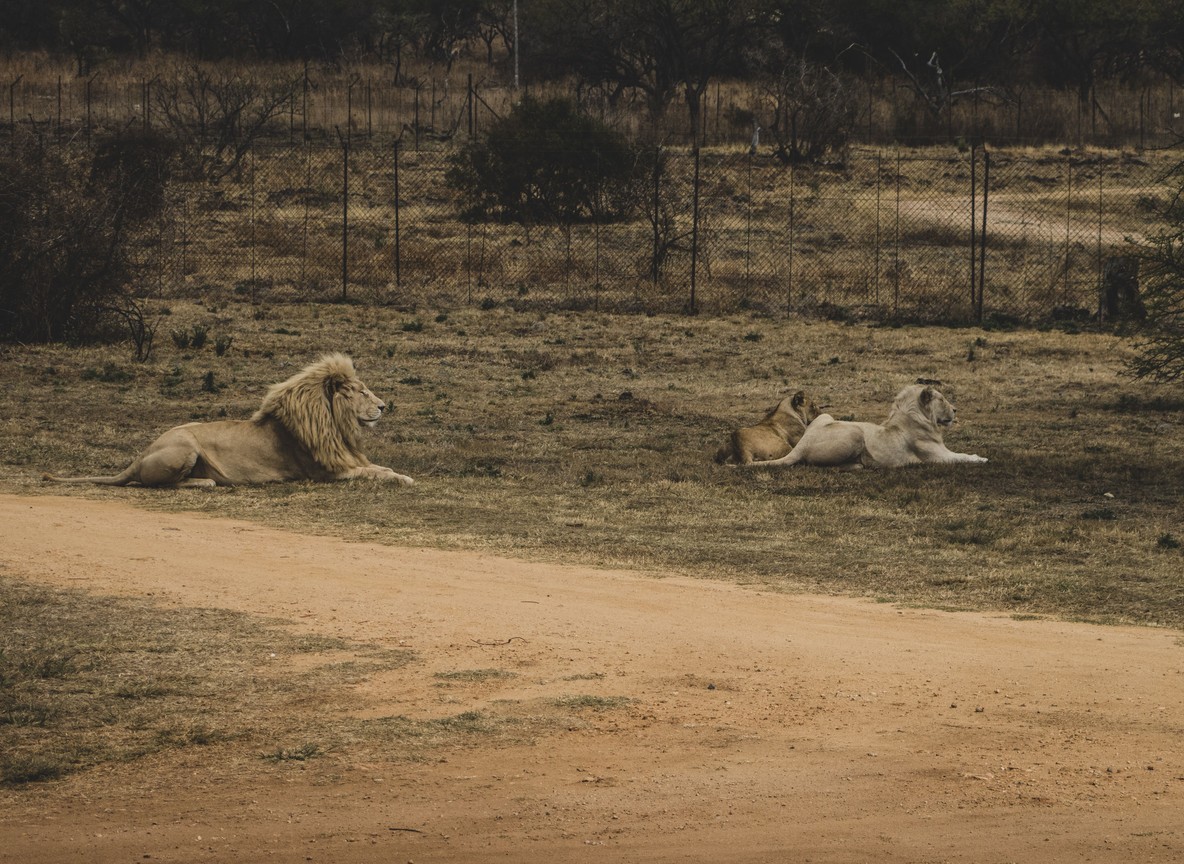
The Mara Triangle is the western wedge of the Masai Mara National Reserve, bordered by the Oloololo Escarpment and the Mara River. Mara Triangle Management Ltd runs this section separately from the Narok County side, with its own ranger patrols. Wilderness Mara sits near Musiara Marsh, an area known for resident lion prides and, in migration season, some of the closest river-crossing viewing in the reserve. That proximity matters for photographers. Shorter drives to a crossing point mean more time with a lens up and less time bouncing on a dusty track.
| Detail | Figure |
|---|---|
| Mara Triangle size | approx. 510 km2 (about a third of the 1,510 km2 reserve) |
| Wilderness Mara tent count (2026) | 12 suites, down from 17 |
| Nearest airstrips | Musiara Airstrip, Mara Serena Airstrip |
| Flight time, Nairobi Wilson to Mara airstrips | approx. 45 min |
| Drive, Nairobi to Oloololo Gate | approx. 270 km, 5-6 hr via Narok |
| Mara Triangle non-resident entry fee | approx. USD 80-100 per adult per 24 hr (indicative, 2026) |
| Reopening date | June 1, 2026 |
Why a Studio Matters More in the Mara Triangle Than Elsewhere
Photography-focused travel to the Masai Mara has grown steadily, but most of the specialist camps sit on the Narok County side or in private conservancies like Mara North. The Triangle has fewer vehicles per sighting thanks to Mara Triangle Management’s visitor caps, which photographers already value for cleaner shots without other vehicles in frame. Until this reopening, though, none of the Triangle’s established camps offered a dedicated space to manage gear during the stay. A midday heat window of four to five hours between drives is normal here. Guests previously used that time to nap or sit by the pool. Now there is an on-site option built around reviewing the morning’s shots and prepping for the afternoon drive.
Wilderness Mara vs Other Photography-Oriented Mara Camps
Dedicated photo infrastructure is still uncommon across the wider Masai Mara ecosystem, not just the Triangle. Most camps that market to photographers rely on modified vehicles and guide expertise rather than a built studio space.
| Camp | Location | Dedicated photo studio | Photography vehicles | Price tier (indicative) |
|---|---|---|---|---|
| Wilderness Mara | Mara Triangle | Yes | Standard 4x4s | Ultra-luxury |
| Angama Mara | Oloololo Escarpment, Mara Triangle | No | Standard 4x4s | Ultra-luxury |
| Mara Expedition Camp | Mara North Conservancy | No | Yes, camera-fitted vehicles | Ultra-luxury |
| Kicheche Mara Camp | Mara Triangle | No | Standard 4x4s | Upper-mid |
Wilderness Mara is the only camp in this comparison with a fixed studio space, though Mara Expedition Camp counters with vehicles built around photography rather than a static room. Which setup suits a guest better depends on whether the priority is shooting from the vehicle or managing files afterward. Ask directly what a camp offers before assuming “photography camp” means the same thing everywhere.
Planning a Photography-Focused Stay Around the Studio
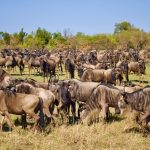
A typical Wilderness Mara day still runs on the standard Mara rhythm: an early drive before sunrise, a midday break, and a second drive in late afternoon. The studio slots into that midday window. Guests can offload cards, charge batteries, and review a morning’s take before deciding what to prioritize on the next drive. That is a meaningful edit for anyone shooting the wildebeest migration‘s river crossings, where conditions and animal positions change hour to hour. Pack at least one spare battery and a card reader that matches your camera brand. Camp staff can help with charging, but they will not carry adapter cables for every format.
Who the Photo Studio Suits (and Who Should Look Elsewhere)
The studio makes the most sense for guests running full-frame or mirrorless bodies with multiple lenses, the kind of kit that generates hundreds of raw files a day during migration season. Serious hobbyists and semi-professional shooters get the clearest benefit. They can back up a day’s shooting before it stacks up, and review a wide-angle crossing shot on a bigger screen than a phone offers. Casual travelers shooting mostly on a phone or a single mirrorless body will not get much use from a dedicated studio space. For that guest, the spa and gym added in the same reopening are the more relevant upgrade. Families traveling with children may also find the studio less central to their stay, though the compact gym and midday downtime still fit a family schedule reasonably well. Twelve suites, down from seventeen, also means fewer vehicles competing for the same sighting, a detail that matters as much to a photographer’s shot composition as the studio itself.
Why This Is a Genuine First for the Triangle
Camps across the wider Masai Mara have added photography extras before, mostly camera-fitted vehicles with beanbag mounts or low shooting angles. A built studio for gear management is a different kind of investment. It suggests Wilderness Mara expects photography-focused travel to keep growing on the Triangle side specifically, not just in the private conservancies where camps like Mara Expedition Camp have led on this front. Whether other Triangle camps follow with their own studios is worth watching over the next year or two. For now, it is a genuine point of difference rather than a marketing label attached to a standard tented suite.
Getting There: Flights, Drives, and Gates
Most guests fly into Musiara or Mara Serena airstrip from Nairobi’s Wilson Airport, a flight of about 45 minutes on daily scheduled services. The road alternative covers roughly 270 km from Nairobi and takes 5 to 6 hours through Narok town to Oloololo Gate, the main entry point on the Triangle side. The final stretch inside the reserve runs on unpaved tracks, so build in extra time regardless of route. Flying in protects camera gear from the dust and vibration of a long road transfer, a detail worth weighing if you are traveling with a heavy kit bag.
Explorer Notes
Ask your guide which pride is active near Musiara Marsh before you head out. Guides here track lion movement daily and can often predict a pride’s location based on where wildebeest herds settled overnight, which saves shooting time during golden hour. If you plan to use the studio, bring a laptop or portable SSD rather than relying on camp equipment for final edits; the studio is built for review and backup, not full post-production. Shoot the boat or vehicle crossing at Mara River early. Morning light on the water is softer, and the crossing point gets busier with vehicles as the day goes on.
What to Read Next
- Wilderness Mara’s New Spa and Gym: Wellness Meets Safari in 2026
- Mara Expedition Camp’s Complimentary Camera Gear: What It Adds for Photographers
- Masai Mara Conservancy vs Reserve: 2026 Fees Compared
FAQ
When did Wilderness Mara reopen? Wilderness Mara reopened on June 1, 2026, after a renovation that reduced the camp from 17 tents to 12 suites and added a photo studio, spa, and gym.
What does the Wilderness Mara photo studio include? A dedicated space for charging equipment, backing up memory cards, and reviewing images on a larger screen, separate from the guest suites.
Is Wilderness Mara good for wildlife photography? Yes. It sits near Musiara Marsh in the Mara Triangle, close to resident lion prides and migration-season river crossings, with a visitor cap that keeps vehicle numbers lower than the Narok side.
How do I get to Wilderness Mara from Nairobi? Fly from Wilson Airport to Musiara or Mara Serena airstrip, about 45 minutes, or drive approximately 270 km via Narok to Oloololo Gate, which takes 5 to 6 hours.
What does it cost to enter the Mara Triangle? Non-resident entry fees run approximately USD 80-100 per adult per 24 hours as an indicative 2026 range. Camp rates are separate from this park fee.
If shooting the migration without a crowded frame sounds like your kind of trip, check the Tour Packages page for current Mara Triangle options and ask specifically about camps with dedicated photography facilities before you book.
Further reading
- Magical Kenya (Kenya Tourism Board)
- Maasai Mara Wildlife Conservancies Association
- Kenya Wildlife Service